
List of Sites Where You Can Sell Your Woodworks: Top Platforms for 2025
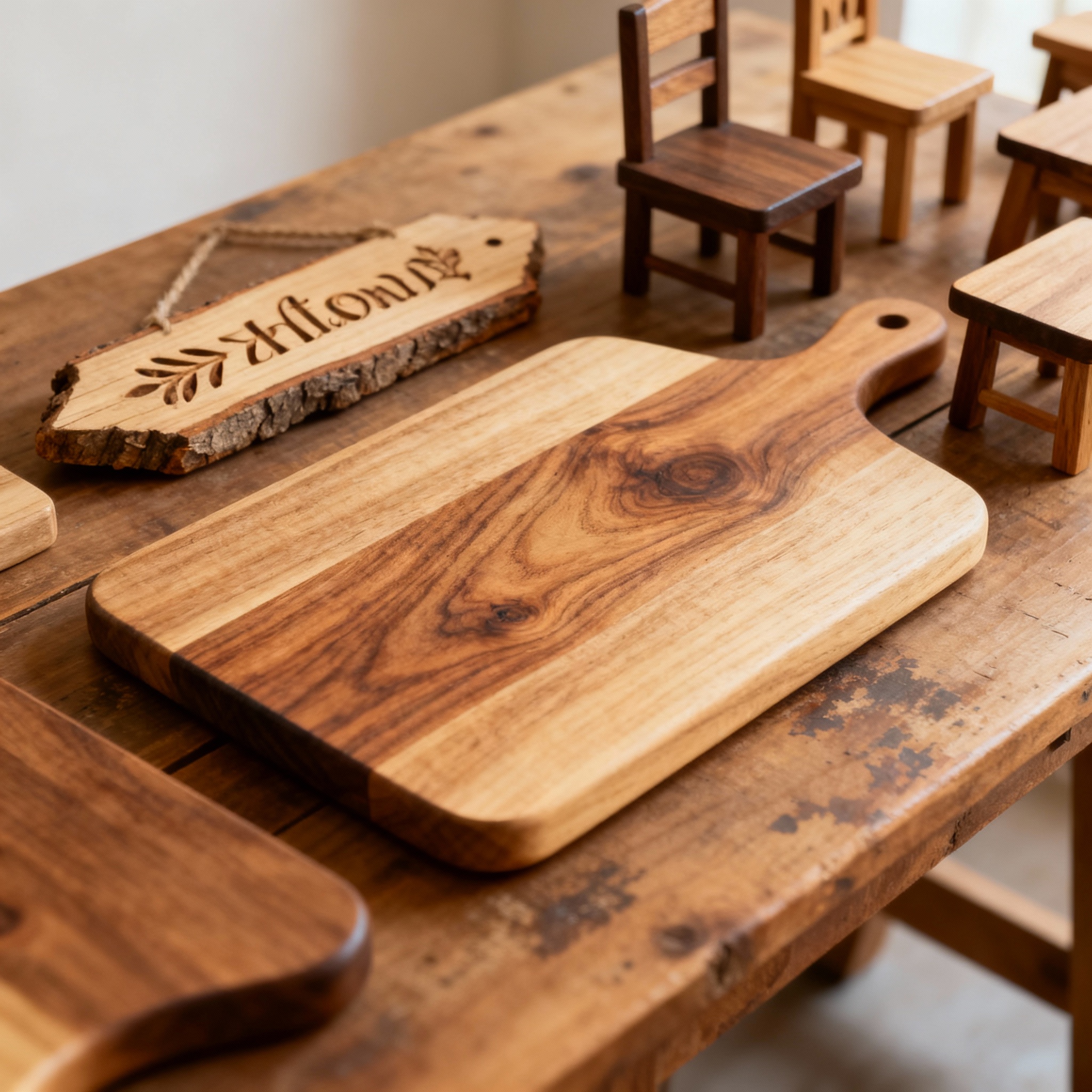
Where to Sell Your Woodworks: Complete Guide to the Best Selling Platforms
Finding the right marketplace to sell your handmade wooden creations can transform your woodworking hobby into a profitable business. Whether you craft custom furniture, cutting boards, or decorative wooden signs, choosing the optimal selling platform directly impacts your success. This comprehensive guide explores the most effective online marketplaces, local venues, and alternative channels where woodworkers can connect with buyers and build sustainable income streams.
Understanding Your Selling Options
Before diving into specific platforms, woodworkers should recognize that selling venues fall into three main categories: established online marketplaces with built-in audiences, personal websites offering complete control, and local in-person opportunities. Each category presents distinct advantages depending on your product type, business goals, and available time investment.
The most successful woodworkers often employ a multi-channel approach, combining several platforms to maximize exposure while diversifying income streams. Small decorative items may perform exceptionally well on visual platforms like Instagram, while large furniture pieces often sell better through local channels where buyers can inspect quality before purchasing.
Top Online Marketplaces for Selling Woodworking Projects
Etsy: The Handmade Marketplace Leader
Etsy remains the most popular platform for selling handmade woodworking projects, attracting millions of buyers specifically searching for unique, artisan-crafted items. The marketplace's built-in audience eliminates the challenge of driving traffic to a new website, making it ideal for woodworkers just starting their selling journey.
The fee structure on Etsy includes a listing fee of $0.20 per item (renewable every four months), a 6.5% transaction fee calculated on the total sale amount including shipping, and a payment processing fee of 3% plus $0.25 per transaction for U.S. sellers. While these fees accumulate quickly, many woodworkers find the trade-off worthwhile due to Etsy's massive buyer base actively seeking handmade goods.
Success on Etsy requires high-quality product photography, strategic keyword usage in titles and descriptions, and competitive pricing that accounts for all fees while maintaining healthy profit margins. Woodworkers selling smaller items like wooden signs, picture frames, and cutting boards typically experience the strongest sales on this platform.
Amazon Handmade: Access to Massive Customer Base
Amazon Handmade provides approved artisans access to Amazon's enormous customer base while maintaining a dedicated section for handcrafted goods. Unlike regular Amazon sellers, Handmade artisans must apply and demonstrate that products are genuinely handmade by themselves or a small team of fewer than 20 people.
The application process requires detailed documentation of your design and production methods, photographs showing your brand, and proof that items are handcrafted rather than mass-produced. While Amazon typically charges a $39.99 monthly Professional Selling Plan fee, this fee is waived for approved Handmade sellers after the first month.
Amazon Handmade works best for woodworkers comfortable competing at scale and those willing to meet Amazon's strict policies and customer service standards. The platform's massive traffic can generate significant sales, though sellers sacrifice some branding control compared to independent websites.
Shopify: Build Your Own Branded Store
Shopify empowers woodworkers to create fully customized online stores with complete control over branding, pricing, and customer experience. The platform operates on a subscription model with plans starting at $39 per month for the Basic plan (or $29 per month when billed annually), which includes unlimited product listings, two staff accounts, and essential ecommerce features.
Transaction fees on Shopify depend on your plan and payment processor. Using Shopify Payments, the Basic plan charges 2.9% plus 30 cents for online transactions and 2.6% plus 10 cents for in-person sales. These rates decrease with higher-tier plans, making Shopify increasingly cost-effective as your business grows.
Building a Shopify store requires more upfront effort than joining established marketplaces, but the investment pays dividends through customer data ownership, email list building, and higher profit margins without marketplace commissions. Many successful woodworkers start on Etsy to validate their products, then transition to Shopify once they've built a customer base.
eBay: Reach Bargain Hunters and Collectors
eBay's massive user base makes it viable for selling woodworking projects, though the platform attracts more price-conscious shoppers than craft-focused marketplaces. The fee structure includes free listings for your first 250 items monthly, then $0.35 per listing, with final value fees of 13.6% on sales up to $7,500.
Woodworkers selling unique one-of-a-kind pieces or vintage-inspired items may find success using eBay's auction format, which can sometimes drive prices higher than fixed-price listings. However, many sellers report that the effort required to achieve profitable sales on eBay exceeds returns, especially for smaller items where shipping costs significantly impact profit margins.
Facebook Marketplace: Local Sales Without Shipping Hassles
Facebook Marketplace excels for selling larger woodworking projects locally, eliminating shipping complexities while connecting with buyers in your immediate area. The platform is completely free to use, with no listing or transaction fees, making it attractive for woodworkers wanting to maximize profit per sale.
Successful Facebook Marketplace sellers emphasize high-quality photos, clear product descriptions differentiating handmade quality from mass-produced alternatives, and professional communication to overcome the platform's yard-sale reputation. Many woodworkers report strong sales for items like planter boxes, furniture pieces, and custom wooden signs, with some earning $4,000-$5,000 monthly during peak seasons.
Specialized Handmade Marketplaces
Bonanza: Seller-Friendly Alternative
Bonanza positions itself as a seller-centric alternative to larger marketplaces, targeting small-scale sellers creating handmade items like woodcrafts, jewelry, and accessories. The platform charges no upfront listing fees, only commission fees when items sell, making it low-risk for woodworkers testing new products.
With approximately 40,000 sellers and 22 million products listed, Bonanza's audience is considerably smaller than Etsy or Amazon. However, reduced competition can benefit niche woodworkers offering unique items that stand out among fewer listings.
Folksy: UK's Handmade Marketplace
Folksy serves as the UK's leading handmade marketplace, featuring over 13,000 independent designers and makers exclusively based in the UK, Channel Islands, or Isle of Man. The platform maintains strict standards allowing only genuinely handmade items, with no vintage products or resellers permitted.
Folksy's fee structure includes free setup with a 15 pence listing fee per quantity for basic accounts, or £7.50 monthly for Folksy Plus membership offering unlimited listings. Commission rates stand at 6% plus VAT (7.20% total), with no commission charged on shipping costs. For UK-based woodworkers, Folksy provides access to customers specifically seeking British-made handmade goods.
iCraft: No-Commission Canadian Marketplace
iCraft operates as a handmade-only marketplace welcoming sellers internationally while maintaining strong Canadian roots. The platform's distinctive feature is zero sales commission, with sellers paying only monthly hosting fees while retaining full customer data access.
With approximately 1.3 million monthly visitors, iCraft provides reasonable exposure for handmade woodworking projects without the commission fees that erode profits on larger platforms. The marketplace also offers a free .store domain and various sales tools including discount capabilities, collection creation, and custom coupon generation.
GoImagine: Ethical Marketplace Supporting Charity
GoImagine distinguishes itself through a business-giving model where 100% of profits are donated to charity, creating a feel-good factor for both sellers and buyers. The platform requires sellers to choose between three membership tiers ranging from $2.50 to $10 monthly, with transaction fees starting at 5% for the basic tier and dropping to 3.5% at the highest level.
All products on GoImagine must be handmade by U.S.-based sellers, with strict guidelines prohibiting AI-generated art, mass-produced items, and dropshipped products. The platform's community-oriented approach and charitable mission resonate particularly well with buyers seeking to support ethical businesses.
Building Your Own Website
WordPress with WooCommerce
WordPress combined with the WooCommerce plugin offers maximum flexibility and scalability for woodworkers wanting complete control over their online presence. As an open-source platform, WordPress allows unlimited customization through thousands of available plugins and themes, accommodating businesses of any size.
While the WooCommerce plugin itself is free, woodworkers must budget for web hosting, domain registration, premium themes, and potentially paid plugins. Total costs vary widely based on hosting choice and desired functionality, but starting expenses typically range from $50-$200 annually for basic setups.
The learning curve for WordPress and WooCommerce exceeds drag-and-drop builders like Wix or Shopify, but the investment enables truly custom functionality and avoids platform restrictions limiting business growth. This option suits established woodworkers ready to invest time building a professional web presence.
Wix: User-Friendly Website Builder
Wix provides a simpler alternative for woodworkers wanting their own website without technical complexity. The drag-and-drop editor and 900+ customizable templates enable quick store creation, with ecommerce capabilities built directly into the platform.
Wix ecommerce plans start around $27 monthly, including hosting, security, and essential selling features. However, Wix's closed-source nature means limited customization compared to open-source alternatives, and the platform may struggle supporting very large product catalogs or high-traffic stores.
For small to medium-sized woodworking businesses prioritizing simplicity over advanced customization, Wix delivers professional results with minimal technical knowledge required.
Local and In-Person Selling Opportunities
Craft Fairs and Art Shows
Craft fairs provide valuable face-to-face selling opportunities, allowing customers to appreciate woodworking quality firsthand while enabling makers to build local recognition. Successful craft fair vendors recommend smaller items priced between $50-$200 alongside showcase pieces that demonstrate craftsmanship and generate commission inquiries.
Popular craft fair items include succulent planters, wooden signs, picture frames, cutting boards, jewelry boxes, candle holders, and serving trays. Before committing to expensive booth fees, research specific events to ensure the audience matches your products and price points.
High-end juried art festivals offer better venues for fine furniture than general flea markets, where price-conscious shoppers may not appreciate handcrafted quality justifying premium pricing. Building relationships at local events creates word-of-mouth marketing that sustains sales beyond individual show dates.
Consignment Shops and Boutiques
Consignment arrangements with local furniture stores and boutiques enable woodworkers to reach customers without managing retail operations themselves. Stores typically retain 40-50% commission on sales, meaning woodworkers must price pieces high enough to profit after the split.
Before pursuing consignment, research stores to ensure they attract customers who appreciate handmade quality and can afford appropriate pricing. Reaching out to interior designers serving high-end clients often yields better commission rates and more qualified buyers than general consignment shops.
Consignment works best when stores actively promote your products and maintain steady customer traffic. Establish clear written agreements specifying commission rates, payment schedules, insurance responsibility, and policies for unsold inventory.
Wholesale to Retailers
Wholesale relationships involve selling finished products to retail stores at roughly half the retail price, allowing retailers to markup pieces while maintaining healthy margins. This approach requires efficient production systems to manufacture items profitably at wholesale pricing while maintaining quality standards.
Woodworkers considering wholesale should first establish retail pricing at craft shows and online marketplaces, then determine if they can profitably produce items for approximately 50% of proven retail prices. Wholesale partnerships generate larger volume orders but demand consistent quality, reliable delivery schedules, and lower per-piece profit margins.
Social Media and Emerging Platforms
Instagram and TikTok Shops
Instagram and TikTok have evolved beyond marketing tools into direct selling channels through integrated shop features. These platforms excel for woodworkers creating visually striking projects, as engaging content showcasing the creative process naturally attracts interested buyers.
Success on social platforms requires consistent content creation documenting your woodworking journey, behind-the-scenes glimpses into your process, and finished product displays. Many woodworkers leverage these platforms primarily for marketing, directing followers to Etsy shops, Shopify stores, or other primary selling channels.
Pinterest: Discovery-Driven Traffic
Pinterest functions more as a discovery engine than traditional social media, with users actively searching for products, ideas, and inspiration. Woodworkers who consistently pin their products with keyword-optimized descriptions can generate sustained traffic to their websites or online stores.
The platform's longevity advantage means pins continue driving traffic months or years after posting, unlike Instagram or Facebook content that quickly disappears from feeds. Pinterest users often demonstrate higher purchase intent than casual social media browsers, making the platform valuable for converting traffic into actual sales.
Craigslist: Free Local Classifieds
Craigslist offers free local advertising for woodworking projects, though the platform's bargain-hunting culture presents challenges for sellers of premium handcrafted items. The site works best for larger furniture pieces sold locally without shipping complications.
Successful Craigslist sellers emphasize detailed photographs showing quality and condition, clear descriptions including measurements, and honest disclosure of any damage or imperfections. Pricing slightly higher than your bottom line allows negotiation room while protecting profit margins.
Most woodworking professionals view Craigslist as supplemental rather than primary selling channels, useful for moving occasional pieces but less effective than craft-focused marketplaces for building sustainable businesses.
Choosing the Right Platform for Your Woodworking Business
Selecting optimal selling venues depends on multiple factors including product type, size, price point, production capacity, and business goals. Small decorative items and gifts perform exceptionally well on Etsy and Amazon Handmade, leveraging those platforms' massive traffic and handmade-seeking audiences.
Larger furniture pieces often sell more effectively through local channels like Facebook Marketplace, craft shows, and consignment arrangements where buyers can inspect quality before purchasing. This approach eliminates shipping complexities and costs that can make large item sales unprofitable through online channels.
Woodworkers seeking maximum control over branding, customer relationships, and profit margins should invest in building their own websites through Shopify, WordPress, or similar platforms. While this path requires more upfront effort, owning your customer data and avoiding marketplace commissions significantly increases long-term business value.
The most successful approach often combines multiple channels, starting with established marketplaces to validate products and build initial customer bases, then gradually transitioning toward owned properties as your business grows. Testing different venues helps identify where your specific products resonate most strongly with buyers willing to pay prices that generate healthy profits.
Tagged with:

About the Author
Aske from The Woodworker's Archive
Passionate about woodworking and helping makers bring their projects to life. Sharing tips, techniques, and inspiration from The Woodworker's Archive.
Get More Woodworking Tips
Join our newsletter for weekly woodworking tips, project ideas, and exclusive content.
Related Articles
How to Recycle Scrap Wood: Complete Guide for Woodworkers
Discover 5 proven methods to recycle scrap wood sustainably. From DIY projects to professional disposal, learn how to reduce waste and save money.
How to Start Woodworking with Limited Tools
Start your woodworking journey without breaking the bank. Learn which limited tools you actually need, how to set up your workspace, and which beginner projects