
How to Recycle Scrap Wood: Complete Guide for Woodworkers
How to Recycle Scrap Wood: Complete Guide for Woodworkers
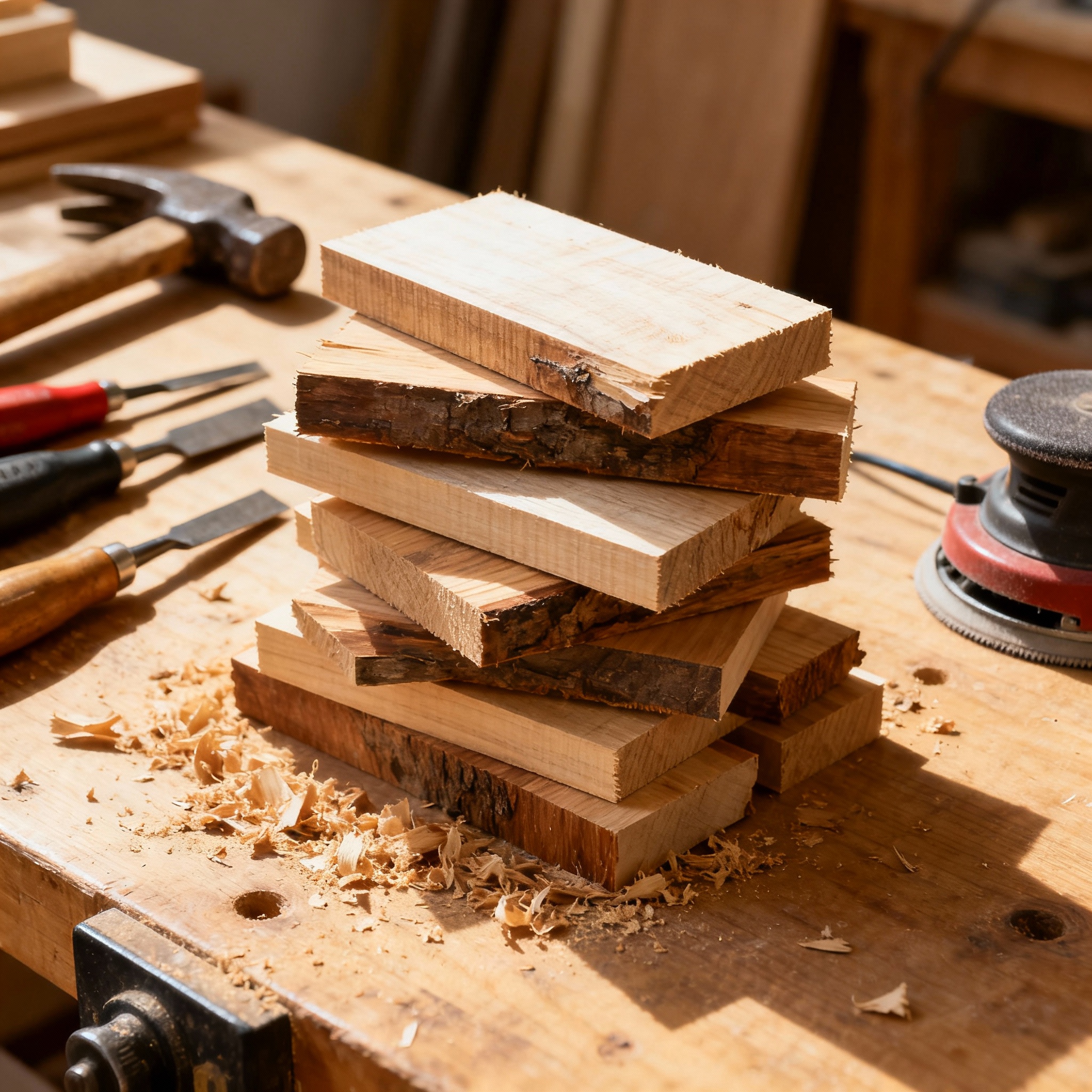
Collection of scrap wood ready for recycling or upcycling projects
Scrap wood is one of the most valuable byproducts of any woodworking project. Rather than letting it pile up in your shop or sending it to a landfill, there are numerous environmentally friendly and economically smart ways to recycle and repurpose those leftover pieces. Whether you're a professional carpenter or a DIY enthusiast, understanding your options for scrap wood recycling can transform your waste into treasured creations.
Why Recycle Scrap Wood?
The benefits of recycling wood extend far beyond just clearing space in your workshop. By choosing to recycle scrap wood, you're making a meaningful environmental impact while potentially saving money and unlocking creative opportunities.
Environmental Benefits: Recycling wood prevents valuable materials from ending up in landfills, where they can take decades or even centuries to decompose. When wood ends up in landfill sites, it contributes to harmful air and water pollution through decomposition processes. By recycling instead, you're directly reducing environmental damage and helping preserve natural resources. Every piece of wood you recycle reduces the demand for virgin timber, which means fewer trees need to be felled. This is particularly important because, despite replanting efforts, we fell more trees annually than we plant, and mature trees provide superior carbon dioxide absorption compared to saplings.
Economic Advantages: Landfill tipping fees continue to rise, making recycling an increasingly cost-effective disposal option. If you operate a woodworking business, finding eco-friendly ways to manage waste directly impacts your bottom line. Additionally, repurposing scrap wood for DIY projects eliminates the need to purchase new materials, creating substantial cost savings.
Energy Conservation: Recycling wood requires significantly less energy than harvesting and processing virgin timber. For example, making paper from recycled wood uses approximately 40% less energy than producing it from new wood fibers. This energy efficiency contributes to reduced overall manufacturing costs and environmental impact.
Five Main Methods for Recycling Scrap Wood
1. Reuse for Future Projects
The simplest and most creative approach to scrap wood is to reuse it in new projects. Small and medium-sized pieces are perfect for countless applications, from decorative items to functional furniture.
Keep a designated storage area for your scrap wood, organized by size and type. When starting a new project, check your collection first; you might find exactly what you need. Popular beginner-friendly projects include decorative signs, picture frames, small storage shelves, desk organizers, and plant stands. Organizations like Woodworking Archive maintain extensive plans for projects specifically designed to use scrap materials, including plans for DIY rustic corbels, wooden candle holders, and scrap wood storage solutions.
For those with more scrap material available, larger projects like tables and furniture pieces are feasible. Some woodworkers even use scrap plywood for practical projects like barn door cabinets, which demonstrate how strategic use of scrap materials can save money while creating high-quality finished pieces.
2. Composting Untreated Wood
If your scrap wood is untreated and free from finishes, chemicals, or varnishes, consider composting it. Wood is a natural material that breaks down over time, adding valuable organic matter to your compost pile.
To speed up decomposition, chop the wood into small pieces or use a wood chipper to reduce it to manageable sizes. However, never compost treated wood, as the chemicals used in pressure treatment or finishing can contaminate your compost and harm plants. Additionally, certain wood types should be avoided due to potential toxins.
3. Wood Chips for Mulch
Professional wood recycling facilities process scrap wood into wood chips and mulch suitable for landscaping and garden use. This method diverts wood from landfills while creating useful products for landscaping, animal bedding, and playground surfaces. Wood mulch improves soil quality, retains moisture, and helps regulate soil temperature in gardens.
If you have significant quantities of scrap wood, check with local recycling centers to determine if they offer mulching services or can direct you to facilities that do.
4. Firewood and Biomass Energy
Untreated, dry scrap wood makes excellent firewood for fireplaces, wood stoves, and outdoor fire pits. However, only use wood that hasn't been treated, stained, or painted, as burning treated wood releases dangerous toxins into the air.
Professional recycling facilities also process clean wood waste into biomass fuel for energy production. Grade C recycled wood, which includes materials from multiple sources, is specifically designated for use as a fuel source to produce heat and electricity.
5. Professional Recycling Centers
For larger quantities of scrap wood or wood that you cannot reuse or compost, local recycling centers and waste management facilities offer professional disposal options. These facilities sort wood according to grade and process it for various secondary uses.
Wood recycling centers typically accept materials from residential and commercial sources. The recycling process involves several stages: receipt and quality control, sorting by waste grade, primary shredding, separation of recyclable materials like metals, and secondary grinding into fine material for various applications.
Understanding Treated Wood: Special Considerations
Treated wood requires special handling and cannot be recycled through standard methods. Pressure-treated lumber contains chemical preservatives, typically chromium, copper, or historically arsenic, that prevent rot and insect damage.
Burning pressure-treated wood is extremely dangerous and illegal in most areas. When burned, these chemicals release toxic ash into the air that can cause serious health problems or death if inhaled. Instead, consider these options:
Limited Recycling: Some recycling facilities can process certain types of treated wood (Grade D), but this requires specialized equipment and is often costlier than other disposal methods.
Selling: If you have quality treated lumber, selling it may be more economical than disposal, allowing others to benefit from its remaining useful life.
Eco-Friendly Landfill: If recycling isn't available, use an eco-friendly landfill that employs protective liners to prevent chemicals from contaminating soil and groundwater.
Always check with your local waste management facility about accepted materials and proper disposal procedures for treated wood in your area.
Finding Your Local Recycling Options
Wood waste is not accepted in standard household recycling bins, but most communities have dedicated options for responsible disposal. Start by contacting your local waste management department or visiting their website for drop-off locations and guidelines.
Common facilities that accept scrap wood include:
Municipal Recycling Centers: Most communities maintain recycling centers accepting various materials, including wood
Waste Management Facilities: Many waste management companies have separate areas for clean and contaminated wood
Scrap Yards: Metal recycling facilities often accept wood waste alongside other materials
Construction and Demolition Recyclers: Specialized facilities specifically handle construction debris and can process large quantities of wood
Maximizing Your Scrap Wood Before Recycling
Before taking wood to a recycling facility, exhaust creative reuse options. The woodworking community has developed hundreds of practical and decorative projects perfect for scrap materials:
- Small storage solutions like mail organizers and desk organizers
- Kitchen items such as spice racks and coffee filter holders
- Home decor including wall art, candle holders, and plant stands
- Seasonal decorations and holiday displays
- Organization and storage solutions for garages and workshops
- Outdoor projects like solar light stands and garden planters
These projects not only divert wood from landfills but also provide functional, personalized items for your home or as thoughtful gifts.
The Bigger Picture: Environmental Impact
Wood recycling contributes to broader sustainability goals. When you recycle wood instead of sending it to landfill, you're reducing environmental burden while supporting a circular economy where materials continuously cycle back into production rather than becoming permanent waste. This practice reduces deforestation pressure, conserves natural resources, and minimizes the energy-intensive processes required for virgin timber harvesting and processing.
Conclusion
Recycling scrap wood aligns with both environmental responsibility and economic sense. Whether you transform it into a new project, compost it, process it for mulch, or take it to a local recycling facility, you're making a positive choice. Start by assessing your scrap pile, separating treated from untreated wood, and exploring creative reuse options before considering professional disposal. Your woodworking waste truly has value; you just need to know where to find it.
Resources for Finding Recycling Centers Near You:
· WM Drop-Off Locations Finder
· Local Waste Management Authority Websites
Tagged with:

About the Author
Aske from The Woodworker's Archive
Passionate about woodworking and helping makers bring their projects to life. Sharing tips, techniques, and inspiration from The Woodworker's Archive.
Get More Woodworking Tips
Join our newsletter for weekly woodworking tips, project ideas, and exclusive content.
Related Articles
How to Start Woodworking with Limited Tools
Start your woodworking journey without breaking the bank. Learn which limited tools you actually need, how to set up your workspace, and which beginner projects
List of Sites Where You Can Sell Your Woodworks: Top Platforms for 2025
Discover the best online marketplaces and local venues to sell your handmade woodworking projects, from Etsy and Amazon Handmade to craft fairs and shops.