
Gothic Revival proportions in a modern space
This thread discusses a plan from the archive
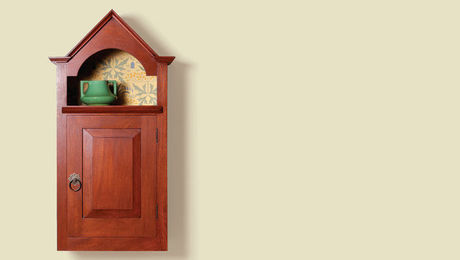
Free Plan: Architectural Wall Cabinet
View Plan Details →The Victorian Gothic inspiration caught my eye. Before building this, I'm wondering how the proportions read in a contemporary room. Does the architectural detailing feel intentional or fussy depending on where it's placed? Anyone thinking about this as a statement piece versus something that blends in?
The detailing matters more than the style itself. With Gothic Revival, proportions get fussy fast if the wood finish doesn't ground it. I'd lean toward a darker, matte stain or paint to let the geometry do the talking instead of fighting it. A glossy poly on light wood can make it feel precious and dated. If you're keeping it statement-focused, commit to the finish choice early - that's what reads as intentional versus overdone.
The joinery's worth thinking about too. With Gothic proportions and detailing, you're looking at frames that might see some stress from all those vertical elements - the proportions can read as delicate even if the joinery is solid. Mortise and tenon through the sight lines keeps things intentional. Pocket screws or biscuits start to feel like you're fighting the style instead of committing to it. Darker finish does ground it, but the construction method shows once people start looking.
the joinery detail really does read as committed or half-hearted depending on what's visible. if you're going statement piece, through mortises on the frame say you mean it. that's the part people notice after the finish settles in.
That makes total sense. So when you say through mortises on the frame, you mean the joinery joints that show on the outside edges? I'm guessing that's way harder to execute cleanly than pocket holes or biscuits, but it sounds like that visual commitment is what sells the whole piece.
Yeah, that's it exactly. Through mortises on the outside read as deliberate - you're saying the joinery matters, not just the styling. Cleaner execution takes more care, but that's part of the statement.
Sign in to join this discussion.
Sign in to reply