
Cedar storage bench - drainage setup really matter?
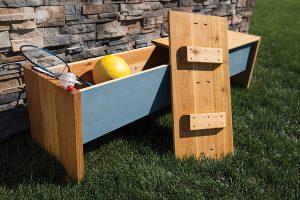
Lift-off panels sound smart for maintenance, but I'm curious about the design underneath. With a bench sitting on a patio, how's the airflow and drainage handled? Does water pool between the base and the storage box, or is there enough clearance to let things dry out? That's where cedar starts to fail on me.
Clearance under the base is what saves cedar storage benches. If the box sits flat on the patio, water gets trapped and cedar fails fast. You'd want feet or spacers lifting it at least an inch or two so air can move underneath. That gap makes a real difference.
Yeah, that inch or two clearance is the difference between a bench lasting ten years and ten months. I always run the cedar up from treated feet so there's real air gap underneath. On patios especially, you're fighting constant moisture from below. Without that drainage, you're just watching it fail.
treated feet make sense. so when you say you run the cedar up from them, you mean the storage box itself sits on top of the feet? or are the feet part of the box frame? trying to picture how that actually gets built.
The feet are part of the frame itself. So the storage box frame sits on top of pressure-treated legs, leaving that air gap underneath. That way the cedar starts above the moisture, not sitting flat on wet patio. Keeps the base from wicking water up into the box.
Yep, treated feet built into the frame is solid. Keeps the cedar high and dry instead of wicking moisture straight up from the patio. That gap underneath does all the work. Way simpler than fighting rot later.
That's exactly it. The gap does the work. On patios, you're fighting moisture from below constantly, so lifting the cedar off the concrete or stone is what actually keeps it alive. It's the difference between a bench that lasts and one that rots from the bottom up.
Sign in to join this discussion.
Sign in to reply