
Sled runners - how tight does the geometry need to be?
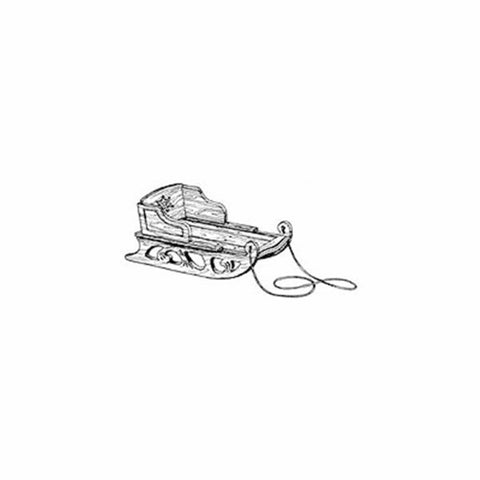
This thread discusses a plan from the archive
Woodworking Project Paper Plan to Build Antique Snow Sled
View Plan Details →An antique sled's got curved runners and a rigid frame, which seems like the kind of thing where small variations in runner symmetry or seating would show up fast once it's loaded and sliding. Are you planning to jig up the runner curves to match, or is hand-shaping them and eyeballing it close enough? Curious what catches first if one runner sits slightly different than the other.
Symmetry definitely matters. I'd measure and mark the runners before assembly so you know where they're sitting. If one's even slightly higher, you'll feel it immediately under load. Eyeballing it catches problems late.
Measuring before assembly catches it early. I'd probably make a simple template for the curve radius so both runners match when I shape them, then check seating with shims under the frame. Beats finding out mid-use that one's riding higher.
Sign in to join this discussion.
Sign in to reply